
Custom Orthotics: when They are Recommended and What Benefits They Provide
Walking, standing, or playing sports are activities that involve not only your feet, but your entire musculoskeletal system. Poor foot support can cause pain in the ankles, knees, hips, back, and even postural imbalances. Custom orthotics, designed after a biomechanical study, are one of the most effective tools to correct these alterations and improve quality of life. In this entry, we will explain in which cases they are indicated, what their main benefits are, how they are manufactured, and what you should keep in mind to use them correctly.
When Custom Orthotics are Recommended
Persistent Pain in Feet, Knees, or Back
When you notice continuous discomfort in the heel, the middle of the foot, the forefoot, knees, hips, or lower back without a clear cause, it may be indicative of a defective foot support. Custom orthotics can correct overloads and relieve pain by redistributing pressures.
Alterations in Foot Biomechanics
Cases such as flat foot, high arch, excessive pronation, supination, or anatomical differences between legs are candidates for the use of custom orthotics, as these can adjust the support and direction of the foot.
Sports or Repetitive Overload Injuries
If you play sports with impact (running, jumping) or perform many hours of physical activity, well-designed orthotics help prevent injuries such as plantar fasciitis, tendinitis, metatarsalgia, or muscle overloads.
Irregular Wear of Footwear
If you notice that your shoes wear out more on one side than the other or that one foot “supports differently”, it is a sign of an imbalance that can be corrected with custom orthotics.
In Cases of Systemic Diseases or Special Risk
People with overweight, diabetes, arthritis, or circulatory problems benefit by reducing plantar pressures, avoiding critical load points, and promoting foot protection.
Benefits Provided by Well-Designed Orthotics
Balanced Distribution of Loads
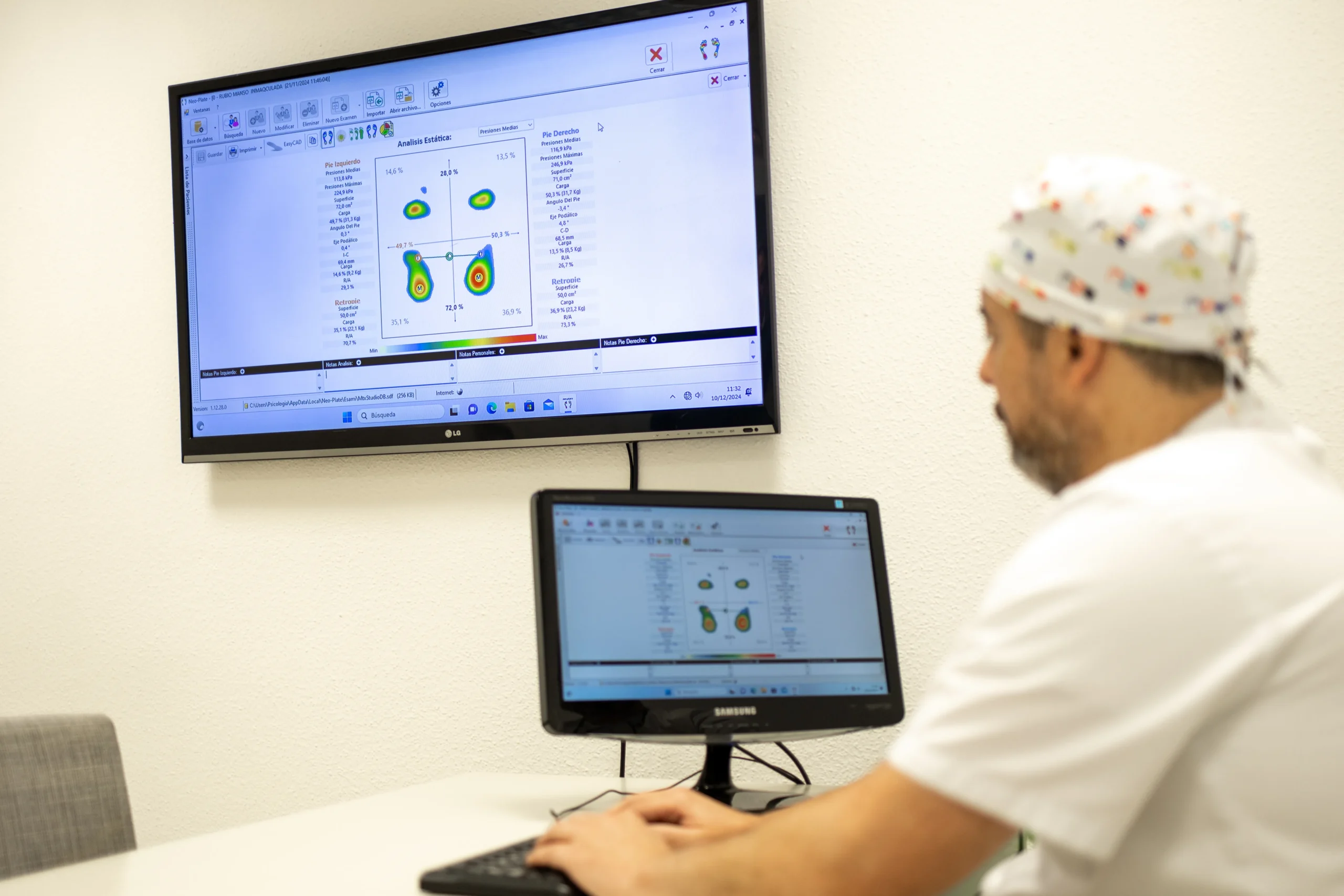
One of the most outstanding functions is to redistribute plantar pressures, reducing excessively loaded points that can generate pain or injuries.
Pain Relief and Reduction of Overloads
By correcting the posture of the foot and the load axes, the orthotics reduce tension on tendons, muscles, and joints, relieving existing discomfort and preventing it from worsening.
Improvement of the Alignment of the Musculoskeletal System
The orthotics can positively influence the overall posture, reducing compensations in knees, hips, and spine, contributing to a more balanced movement.
Prevention of Future Injuries
By correcting biomechanical imbalances from the origin, the risk of developing pathologies associated with poor foot support is reduced.
Improvement of Comfort and Performance
During daily use or physical activity, feeling the feet more comfortable, less fatigued, and aligned translates into better performance, less fatigue, and general well-being.
Physical and Mental Benefit
Less pain, greater stability, and better mobility have an impact on mood, body confidence, and quality of life in general.
How Orthotics are Manufactured and Customized
Previous Biomechanical Study
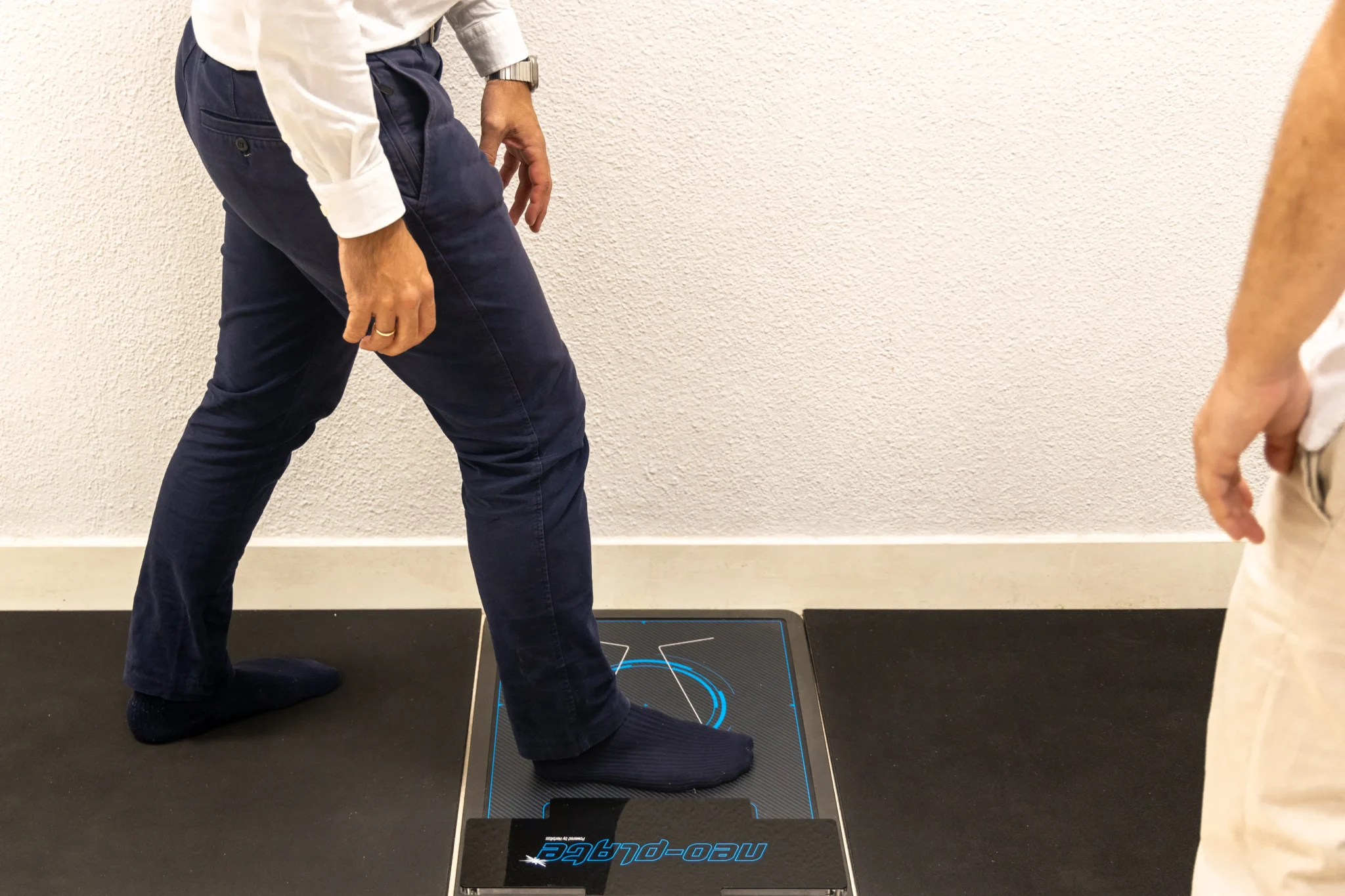
A static (the patient standing) and dynamic (when walking) analysis is performed with pressure platforms, cameras, scanners, or specialized sensors, to know the distribution of loads and detect alterations. This study is the basis for customizing the orthotic.
Mold Taking or Scanning
With the data obtained, a physical mold or a digital scan of the foot is taken to capture its exact geometry. This allows the orthotic to adapt to its anatomical contours.
Design and Choice of Materials
Depending on the needs of the patient, the materials are selected (foams, plastics, resins, gels, thermoplastics) and the supports are defined (for example, in arches, heel, forefoot). The orthotic may have specific reinforcement or cushioning zones.
Adjustment, Testing, and Monitoring
The orthotic is tested with the patient in their usual footwear and fine adjustments are made. Over time, its effect is reviewed, wear or need for changes is evaluated, and it is adapted if necessary.
Recommendations for its Correct Use
Adaptation Period
It is normal for there to be slight discomfort at the beginning. It is recommended to start using them for a few hours and gradually increase the time of use so that the feet adapt.
Suitable Footwear
For the orthotic to work well, the shoe must have enough space, good fit, and be in adequate condition. Footwear that is too narrow or rigid can nullify its effects.
Periodic Check-Ups
Orthotics wear out over time. Revisions (at least once a year or earlier if activity increases) allow detecting changes in foot support, material deterioration, or need for adjustments.
Do not Use Generic Orthotics as a Substitute
Standard or over-the-counter orthotics can be useful in mild cases, but do not replace custom-designed ones. If these generics do not relieve the symptoms, it is necessary to go to a specialist.
Custom Orthotics, a Comfort when Walking
Custom orthotics represent a fundamental tool to improve foot biomechanics, correct imbalances, relieve pain, and prevent injuries with an individualized approach. But they are not magical: they must be prescribed after a biomechanical study, manufactured with quality, and reviewed periodically. When they are well designed and applied, they can transform your experience when walking, running, or simply standing.
If you feel recurrent discomfort in feet, knees, or back, if you have uneven wear in footwear or suffer repetitive sports injuries, custom orthotics may be what you need. At Semedi Salud Málaga, we offer you the complete service: evaluation, data collection, manufacturing, adjustment, and monitoring. We are located in El Corte Inglés de Málaga.