
Dental Caries: Causes, Prevention, and Effective Treatment
Dental caries is one of the most common diseases of the mouth, both in children and adults. Although many people assume it is inevitable, it is actually a progressive process that can be prevented and treated effectively when detected early. At
What is Dental Caries and how Does it Develop?
Definition and Basic Functioning
Dental caries is a lesion in the hard tissues of the tooth caused by the action of acids produced by bacteria present in the dental plaque. These bacteria metabolize sugars and starches from food, releasing acids that demineralize the dental enamel. When the process continues, the lesion advances towards the dentin and can affect the pulp of the tooth.
Stages of Caries Development
- Initial stage: demineralization of the enamel, sometimes reversible with remineralization.
- Formation of cavity in the enamel: visible destruction of the tooth begins.
- Affectation of the dentin: pain upon thermal or food stimulus.
- Arrival to the pulp: infection, abscess, need for root canal treatment or extraction.
Causes and Risk Factors
Diet Rich in Sugars and Starches
Frequently consuming foods and beverages with simple sugars (sweets, soft drinks) or fermentable carbohydrates (bread, cereals, cookies) favors the production of acids by bacteria.
Poor Oral Hygiene
Not brushing correctly or not using dental floss allows bacterial plaque to remain and act for a longer time. This hardened plaque becomes tartar, which adheres strongly.
Insufficient Salivary Flow
Saliva helps neutralize acids and remineralize the enamel. If there is dry mouth (due to medications, diseases, age), the natural protection is reduced.
Genetic and Structural Factors
Some people have more susceptible enamels, fissures or anatomical areas prone to plaque accumulation, or less capacity for tooth repair.
Effective Prevention Strategies
Rigorous Dental Hygiene
Brush at least twice a day with a fluoride toothpaste. Use dental floss or interdental brushes to remove plaque between the teeth.
Fluoride Applications
Fluoride contributes to remineralizing the affected areas and inhibiting the acidic action of bacteria. In early stages, it can stop the progression of caries.
Sealing of Pits and Fissures
Especially in molars and premolars, applying sealants in deep grooves helps block the access of bacterial plaque.
Dietary Control
Reduce the frequency of consumption of sugars and fermentable carbohydrates, choose healthy snacks, drink water between meals, avoid sticky foods that adhere to the tooth.
Periodic Professional Check-Ups and Cleanings
Visiting the dentist every 6 months (or more frequently if there is high risk) allows detecting incipient lesions, performing professional cleanings, and applying preventive treatments.
Treatments According to the Severity of Caries
Remineralization and Conservative Management
If the lesion is in an initial stage without open cavitation, high-concentration fluoride, topical solutions, and preventive measures can be applied to stop it without the need for invasive intervention.
Fillings or Restorations
When caries has destroyed part of the tooth, the damaged tissue is removed and filled with materials such as composite resin, amalgam, or others. It is one of the most common treatments.
Endodontics or Root Canal Treatment
If the lesion has reached the pulp, it is necessary to remove the infected tissue, clean the inside of the canal, and seal it. Subsequently, the dental piece is reconstructed.
Crowns or Major Rehabilitation
When the damage is extensive and the tooth structure weakened, a crown is placed, or reconstructions are performed to restore functionality and aesthetics.
Dental Extraction
In extreme cases without the possibility of restoration, the decayed piece is extracted. Then it can be replaced by a prosthesis or dental implant.
Importance of Early Diagnosis and Follow-Up
Detecting caries when it does not yet produce pain allows less invasive treatments and preservation of the tooth. Periodic check-ups with radiographs or visual exploration are key to identifying hidden lesions.
Good follow-up allows adjusting treatments, monitoring restorations, and preventing new lesions.
Why Trust Semedi Salud Málaga for Treatment?
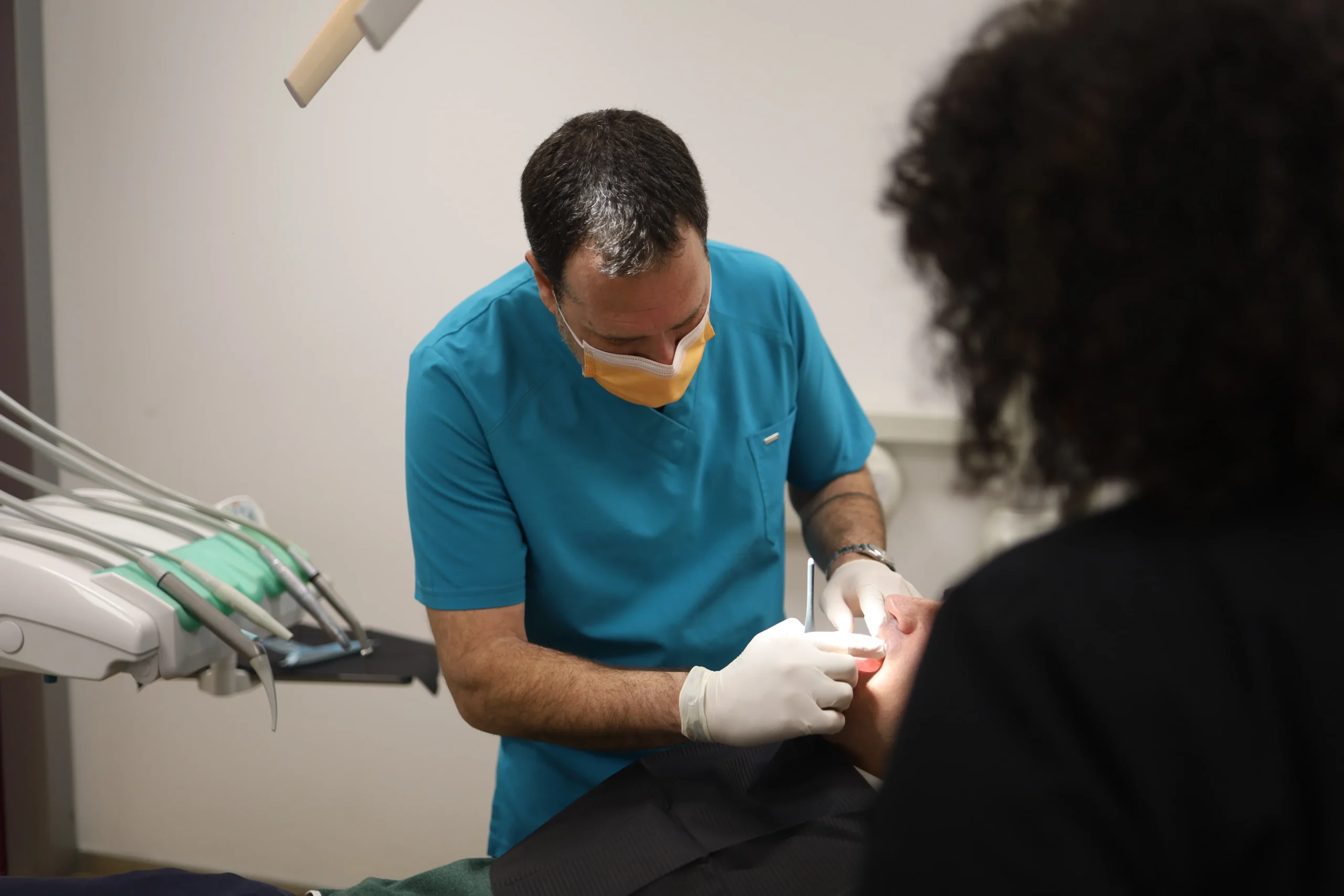
- We have specialists in conservative, restorative, and aesthetic dentistry, who apply evidence-based protocols.
- We use high-quality materials and minimally invasive techniques that respect the dental structure as much as possible.
- We offer an integrated preventive approach: in addition to treating, we seek to prevent it from happening again.
- Accessible location in Malaga, with modern facilities and a close and personalized treatment.
Dental Caries, Prevalent yet Avoidable
Dental caries is a prevalent but not inevitable disease. Understanding its causes—diet, bacteria, hygiene, individual factors—allows taking effective prevention measures. When damage already exists, adequate treatments (from remineralization to fillings, root canals, or crowns) allow preserving the function and aesthetics of the tooth. At
Semedi, we are located in El Corte Inglés de Málaga.